
Cyclone ditwah: A Civil Engineering Catastrophe for Sri Lanka’s Infrastructure
By Eng. Himal Hikkaduwa
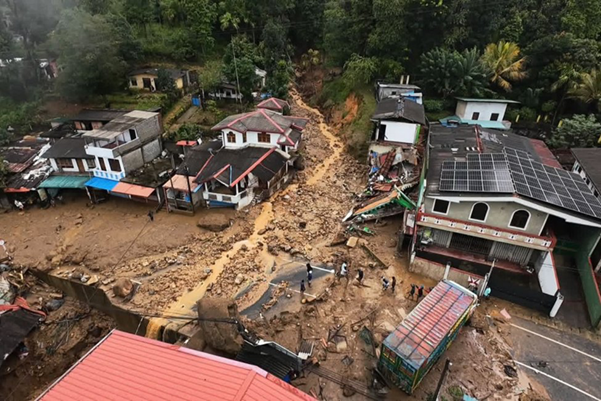
As Cyclone ditwah made landfall on Sri Lanka in late November 2025, it unleashed some of the most intense rainfall and flooding the Island that has witnessed in recent memory. Torrential downpours triggered widespread landslides, overwhelming drainage systems, and inundating vast swathes of the country’s built environment. The cyclone’s impact on infrastructure has not only been extensive but also revealed their systemic vulnerabilities in design, maintenance, and disaster preparedness.
According to the World Bank’s rapid post-disaster assessment, the total direct physical damage from ditwah is estimated at approximately US $4.1 billion, with infrastructure accounting for roughly US $1.735 billion (42 %)—more than any other economic sector. Roads, bridges, rail networks, water systems, and utilities were especially hard hit, resulting in unprecedented disruptions to connectivity and essential services.
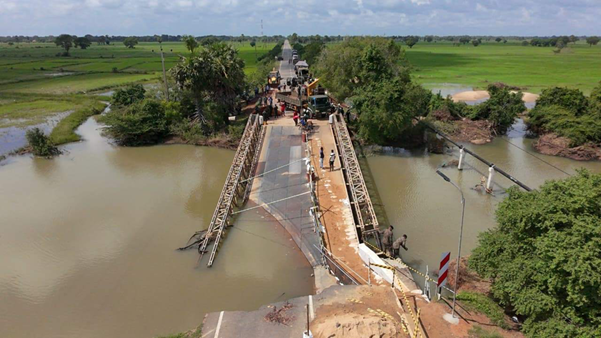
One of the most dramatic consequences has been on Sri Lanka’s transport network. Nearly 247 km of roads were severely damaged due to flooding, erosion, and landslides, while more than 40 bridges suffered structural failure or collapse. Notable examples include the collapse of the Nayaru bridge in Northern Province and severe weakening of key river crossings elsewhere, resulting cutting off communities and complicating the rescue and relief operations.
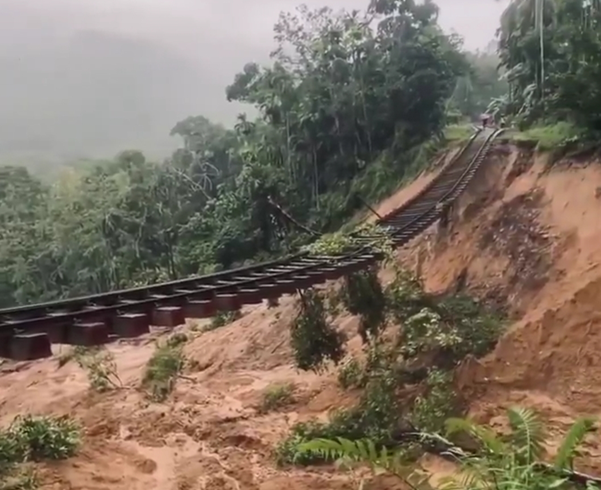
Rail infrastructure faced similarly crippling losses. Extensive landslides in the hill country undermined the ground beneath tracks, leaving entire sections of the network inoperable. As of mid-December, only about 30 % of the rail system was functional, with critical sections on the up-country railway lines requiring complete reconstruction or extensive stabilization works. Engineers identified dozens of locations where embankments were erased and tracks were suspended, compounding the challenge of restoring safe passage.
Urban and rural water supply systems also endured significant setbacks. Over 150 water treatment and distribution facilities were damaged or forced offline as floodwaters overwhelmed plants and inundated service reservoirs. Major systems in regions such as Kandy and Ambatale were submerged, interrupting clean water access to thousands of households and elevating public health risks.
Electricity and communications infrastructure did not escape unscathed. Power outages affected nearly 4 million consumers at the storm’s peak as transmission and distribution networks buckled under wind and water stress. The loss of telecommunication services during critical hours exacerbated emergency response challenges, underscoring the need for resilient backup systems and grid hardening.
From a civil engineering standpoint, ditwah exposed key weaknesses in design standards and disaster risk management. Many transport and supply networks were not engineered for the scale or duration of flooding experienced, highlighting inadequacies in climate adaptation measures. The vulnerability of embankments, road pavements, and drainage culverts to intense rainfall reflects a broader need for redesigning infrastructure to accommodate increasingly frequent extreme weather events.
Recovery efforts have begun, with military engineers and public works crews clearing debris and reopening vital corridors. However, rebuilding provides an opportunity not just for restoration but for “building back better.” Upgrading to higher flood tolerances, improving slope stabilization, and integrating adaptive drainage solutions will be essential to reduce future loss. Long-term planning must also incorporate predictive modelling and risk assessments that account for climate variability.
Cyclone ditwah’s legacy will be measured not just in economic loss, but in how Sri Lanka strengthens its infrastructure resilience. For civil engineers, the storm serves as a stark reminder: climate-driven disasters demand robust design, strategic foresight, and an unwavering commitment to safeguarding communities and connectivity against the next inevitable shock.
 Eng. Himal Hikkaduwa
He currently serves as an Assistant Director at the Construction Industry Development Authority and has previously worked as a Water and Habitat Engineer with the International Committee of the Red Cross (ICRC). He holds an MSc in Disaster Management from the University of Peradeniya and is a Member of the Association of Disaster Risk Management Professionals (Sri Lanka), bringing together strong technical expertise and practical experience in disaster risk reduction and humanitarian engineering.