
Message from the SLEN Editorial Board
Engineering a Resilient Sri Lanka in a Changing World
At no other time in recent history has the need for national resilience been so clearly felt. Across the world, nations are being tested by conflict, economic uncertainty, supply chain disruptions, energy pressures, climate related disasters, and rapid technological change. These challenges remind us that true national strength lies not only in growth and development, but in the ability to withstand shocks, adapt wisely, and recover with confidence.
Sri Lanka has faced many such realities in recent years. The economic difficulties following the downturn of 2022, combined with the effects of adverse weather and wider global instability, have demonstrated how vulnerable essential systems can become under pressure. These experiences have also highlighted an important truth: resilience must be built deliberately, and engineering has a vital role in shaping it.
Engineering has always been at the heart of national development. It provides the roads we travel, the buildings we occupy, the water we depend on, the energy that powers our lives, and the communication systems that connect our communities. Today, however, the responsibility of engineering extends beyond development alone. It must also ensure reliability, safety, preparedness, sustainability, and continuity in times of uncertainty.
The theme “Engineering for a Resilient Nation” is therefore both timely and significant. A resilient nation is not built only with concrete, steel, and technology. It is built through sound planning, strong standards, innovation, maintenance, and responsible professional judgment. It requires infrastructure that can endure stress, systems that can continue functioning during disruption, and solutions that serve the real needs of people and communities.
For Sri Lanka, this means designing and maintaining infrastructure with foresight. It means improving flood management, transport systems, water resources, energy reliability, digital connectivity, and public utilities. It also means promoting sustainable and cost effective solutions that are suited to our local realities. In a changing world, engineering must be practical, adaptive, and forward looking.
Resilience is also closely linked with professional responsibility. As engineers, we are called not only to solve technical problems, but to contribute to national confidence and public wellbeing. By upholding quality, ethics, and innovation, the engineering profession can make a lasting contribution to the stability and progress of our country.
As members of IESL, let us renew our commitment to applying our knowledge and experience in service of a stronger and more resilient Sri Lanka. Let us continue to build with purpose, lead with responsibility, and contribute with vision.
As we near the celebration of the Sinhala and Hindu New Year, we extend our warmest greetings and heartfelt good wishes to all members and their families. May this New Year bring peace to our hearts, strength to our communities, good health to our families, and prosperity to our nation. May it further inspire us with renewed courage, unity, and commitment to serve Sri Lanka with dedication, responsibility, and hope.

Eng. Manjula Samarasinghe - Editor SLEN
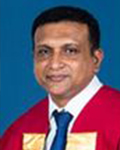
Eng. M. N. C Samarawickrama - Sub Editor SLEN

Eng. (Dr.) A Shanmuganathan - Sub Editor SLEN

Eng. (Ms.) B D S P Wijeratne - Sub Editor SLEN

Eng. (Ms.) D M W K K U K Rambukwella - Sub Editor SLEN


